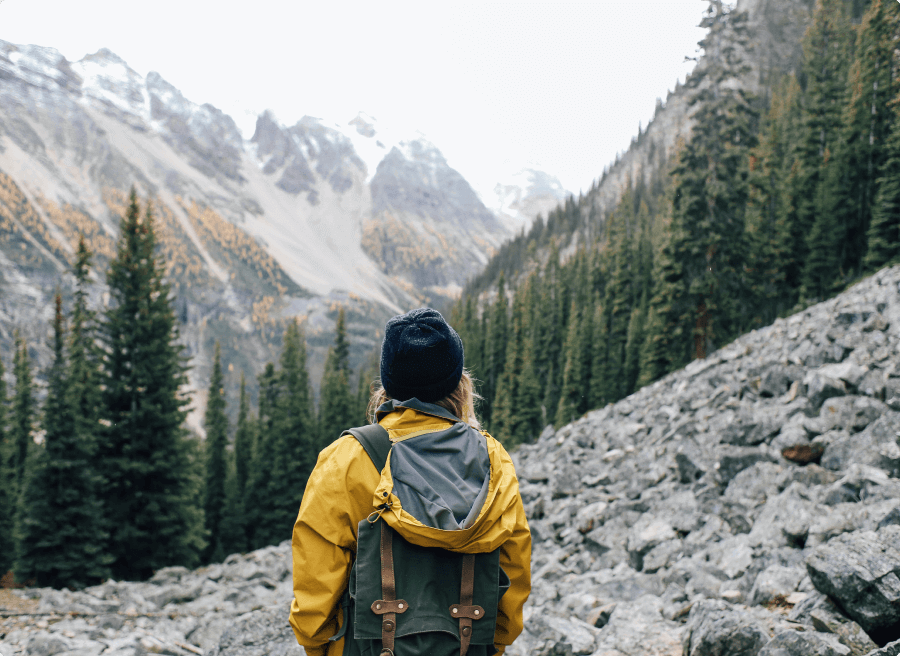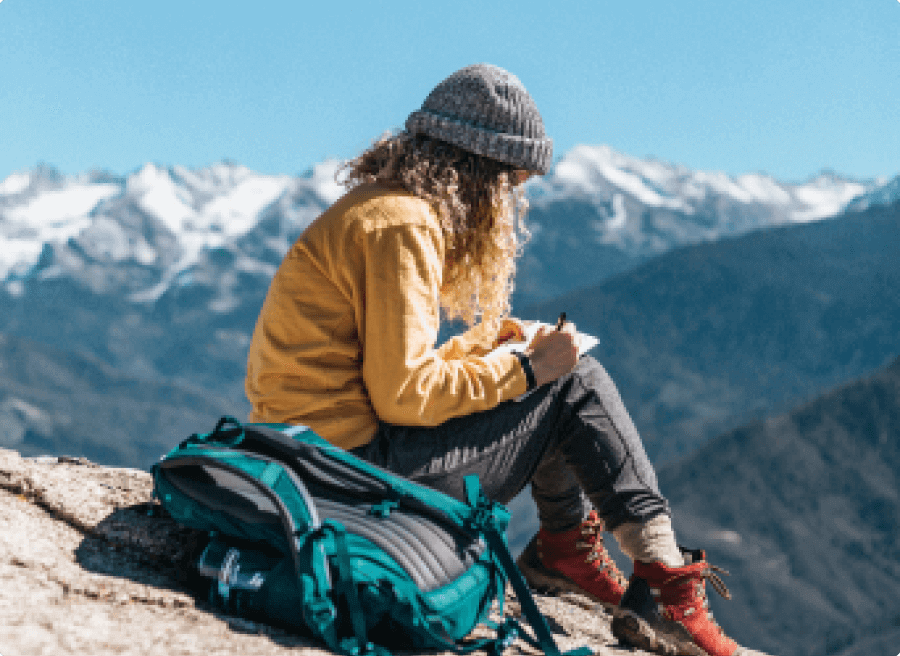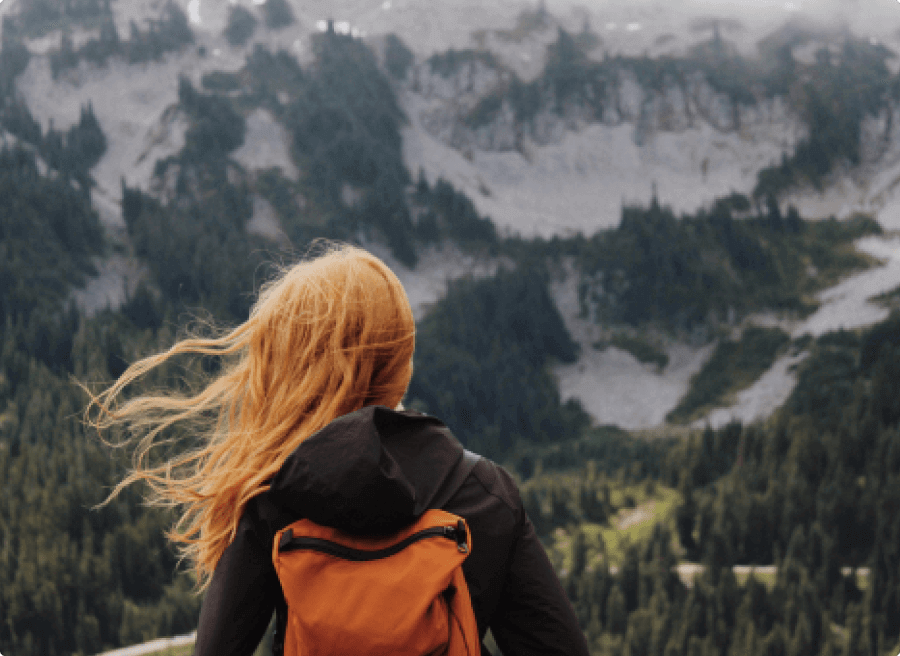

Africa is home to some of the world’s most spectacular landscapes, but few natural wonders capture the imagination quite like Mount Kenya and Mount Kilimanjaro. Rising high above the plains of East Africa, these iconic peaks attract thousands of adventure seekers every year, offering unforgettable trekking experiences, breathtaking scenery, and the opportunity to stand atop some of the continent’s most remarkable summits.
While Mount Kilimanjaro in Tanzania holds the title of Africa’s highest mountain, Mount Kenya in Kenya is celebrated for its dramatic beauty, diverse ecosystems, and quieter trails. Both mountains offer unique challenges and rewards, making them two of the most sought-after climbing destinations in Africa.
If you’re planning your next adventure holiday, this guide will help you compare Mount Kenya and Mount Kilimanjaro and choose the perfect climb for your goals, fitness level, and travel style.
Why Mount Kenya and Mount Kilimanjaro Are Africa’s Most Popular Peaks
Every year, climbers from around the world travel to East Africa to experience these legendary mountains. Their popularity stems from several factors:
- Incredible scenery that changes dramatically with altitude
- Well-established trekking routes and support infrastructure
- Accessibility for beginners and experienced hikers alike
- Professional guides, porters, and accommodation options
- Spectacular sunrise views above the clouds
- Opportunities to experience Africa’s unique wildlife and ecosystems
Whether you’re chasing a personal challenge, a bucket-list achievement, or simply seeking a deeper connection with nature, both mountains offer extraordinary experiences.
Mount Kenya: Kenya’s Majestic Mountain
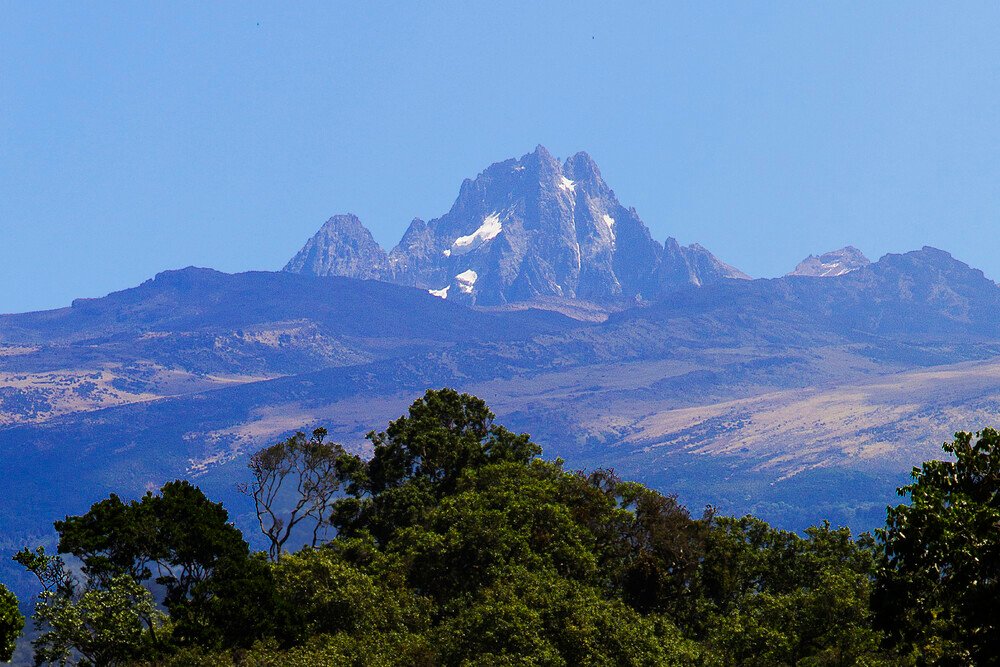
Standing at 5,199 meters (17,057 feet), Mount Kenya is Africa’s second-highest mountain and one of the country’s most treasured natural landmarks.
The mountain features three main peaks:
- Batian (5,199m) – The highest peak, requiring technical climbing skills.
- Nelion (5,188m) – Another technical summit suited to experienced climbers.
- Point Lenana (4,985m) – The most accessible and popular trekking summit.
For most visitors, Point Lenana provides the perfect balance of challenge and achievement without requiring technical mountaineering experience.
Why Climb Mount Kenya?
1. Fewer Crowds and More Solitude
Unlike Kilimanjaro, Mount Kenya offers a quieter and more peaceful trekking experience. Many sections of the mountain feel wonderfully remote, allowing hikers to enjoy nature without large crowds.
2. Exceptional Scenic Diversity
One of Mount Kenya’s greatest attractions is its constantly changing landscape. Trekkers pass through:
- Dense mountain forests
- Bamboo zones
- Giant heather and moorlands
- Crystal-clear alpine lakes
- Ancient glaciers
- Rugged rocky peaks
The scenery is incredibly diverse and often feels untouched and wild.
3. Wildlife Encounters
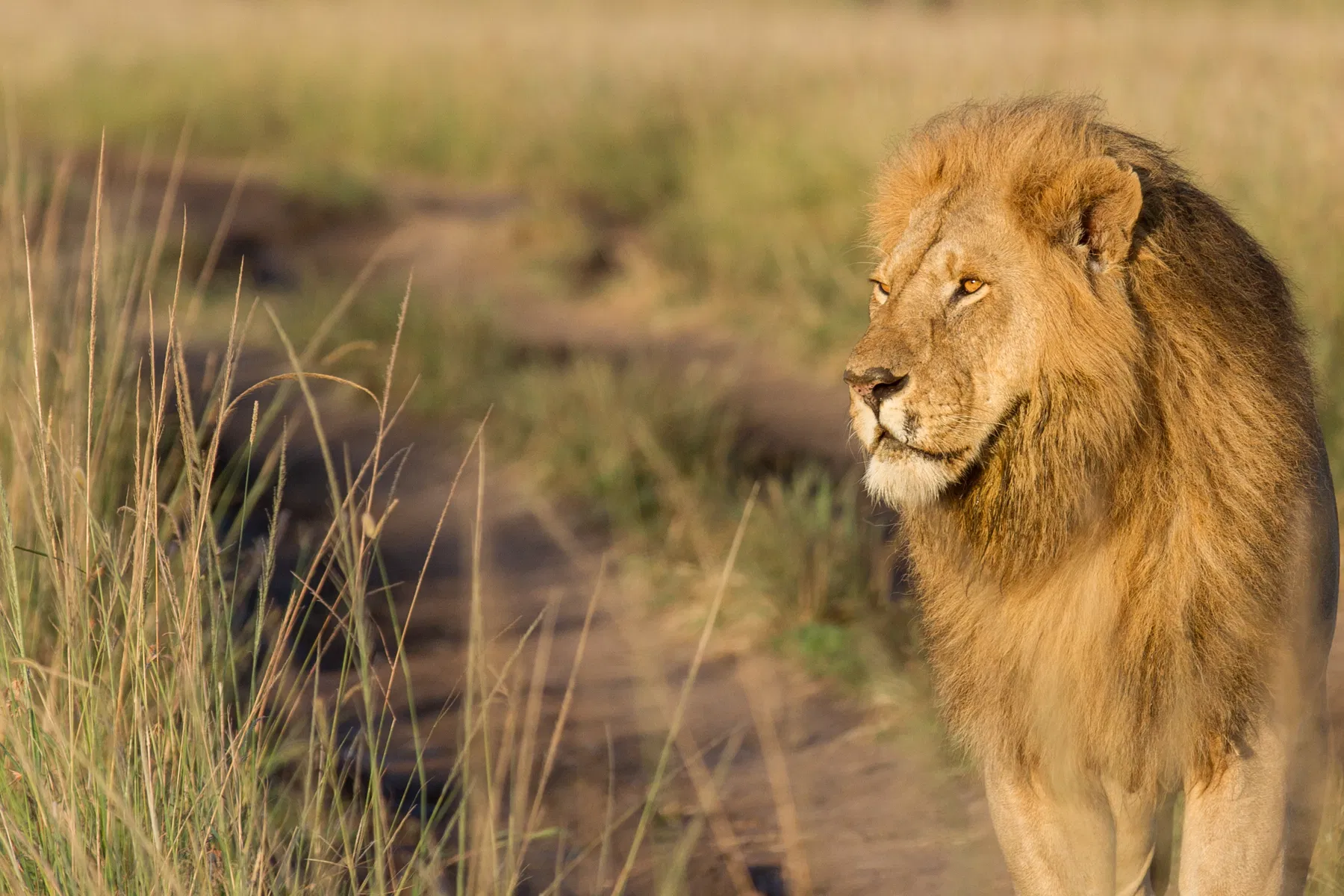
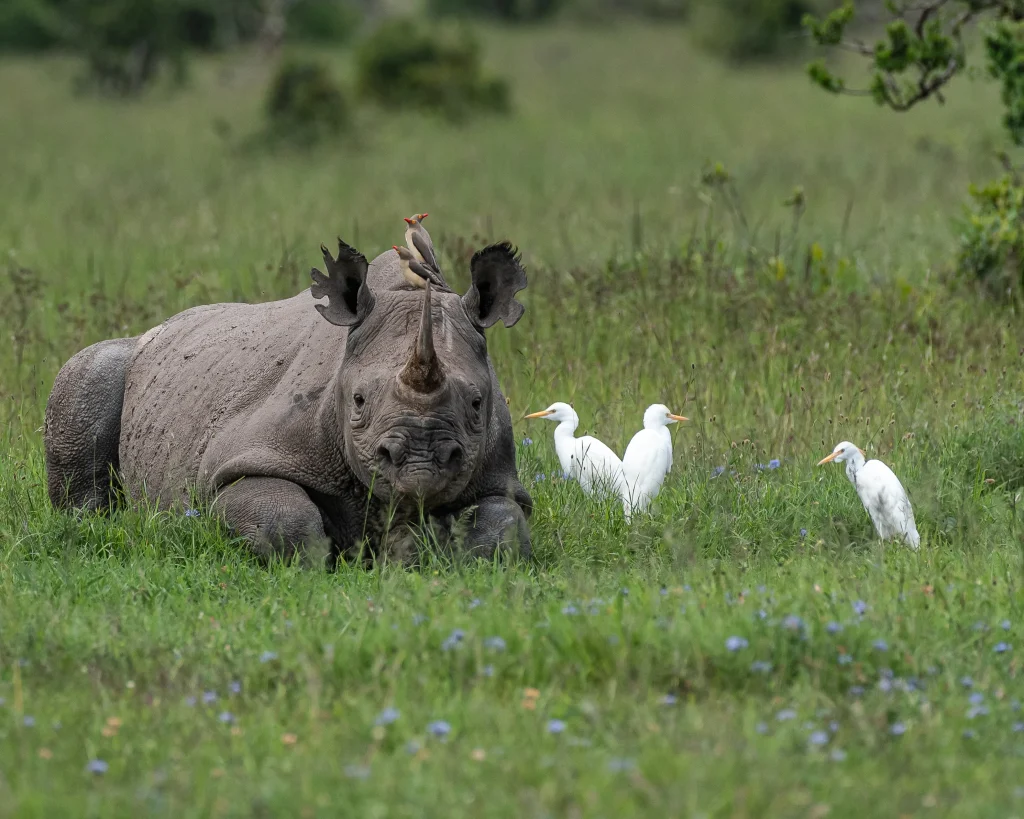
Mount Kenya National Park supports an impressive range of wildlife, including:
- Elephants
- Buffaloes
- Colobus monkeys
- Giant forest hogs
- Hyraxes
- Numerous bird species
Unlike many mountain destinations around the world, wildlife sightings can be part of your climbing adventure.
4. Shorter Trekking Duration
Most Point Lenana climbs take between four and five days, making Mount Kenya an excellent option for travelers with limited time.
Popular Mount Kenya Routes
Sirimon Route
The most popular route due to its gradual ascent, beautiful scenery, and excellent acclimatization opportunities.
Chogoria Route
Widely regarded as the most scenic route, featuring waterfalls, lakes, valleys, and dramatic landscapes.
Naro Moru Route
The quickest route to the summit, famous for the challenging “Vertical Bog.”
Sirimon-Chogoria Traverse
A favorite among experienced trekkers, combining excellent acclimatization with the mountain’s finest scenery.
Best Time to Climb Mount Kenya
The ideal climbing seasons are:
- January to March
- July to October
During these periods, weather conditions are generally stable and summit visibility is excellent.
Mount Kilimanjaro: The Roof of Africa
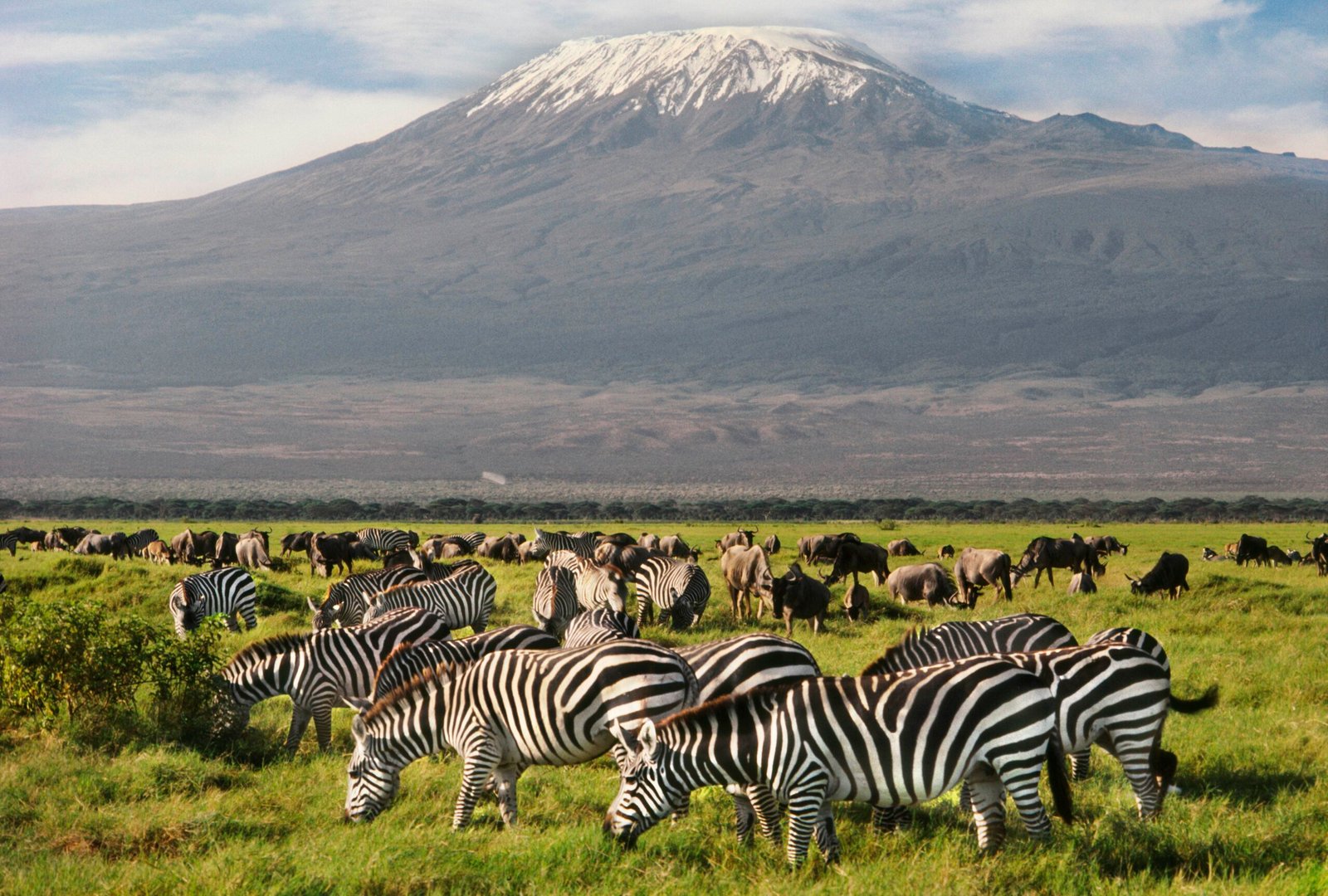
At 5,895 meters (19,341 feet), Mount Kilimanjaro is Africa’s highest mountain and the tallest free-standing mountain in the world.
Located in northern Tanzania, Kilimanjaro’s snow-capped summit, Uhuru Peak, attracts climbers from every corner of the globe. Despite its impressive height, it remains accessible to fit beginners because no technical climbing skills are required on standard routes.
Why Climb Mount Kilimanjaro?
1. Reach Africa’s Highest Point
Standing on Uhuru Peak is one of the world’s great trekking achievements and a dream for many adventure travelers.
2. Experience Five Distinct Ecological Zones
A Kilimanjaro climb takes you through remarkable environments including:
- Tropical rainforest
- Heath and moorland
- Alpine desert
- Arctic summit zone
Few mountains on Earth offer such dramatic environmental changes in a single journey.
3. Challenge Yourself Physically and Mentally
While Kilimanjaro requires no technical climbing experience, its altitude and multi-day ascent demand determination, endurance, and proper acclimatization.
4. Earn a World-Renowned Achievement
Climbing Kilimanjaro is a globally recognized accomplishment that remains on countless travel bucket lists.
Popular Mount Kilimanjaro Routes
Machame Route
Known as the “Whiskey Route,” this is one of the most popular paths due to its beautiful scenery and high summit success rates.
Lemosho Route
Considered the most scenic route with excellent acclimatization opportunities.
Marangu Route
The only route with mountain huts instead of tents, often called the “Coca-Cola Route.”
Rongai Route
Approaches the mountain from the quieter northern side.
Umbwe Route
A steep and demanding route recommended for experienced climbers.
Best Time to Climb Mount Kilimanjaro
The best climbing seasons are:
- January to March
- June to October
These months typically offer clear skies, dry trails, and better summit conditions.
Mount Kenya vs Mount Kilimanjaro: Key Differences
Difficulty
Mount Kenya
- Point Lenana is moderately challenging.
- Batian and Nelion require technical climbing skills.
Mount Kilimanjaro
- Non-technical climb.
- Greater physical challenge due to higher altitude.
Crowds
Mount Kenya
- Less crowded.
- More peaceful and remote.
Mount Kilimanjaro
- Significantly busier, especially during peak season.
Scenery
Mount Kenya
- Rugged peaks
- Glacial valleys
- Alpine lakes
- Rocky landscapes
Mount Kilimanjaro
- Vast ecological zones
- Expansive landscapes
- Iconic snow-capped summit
Climbing Duration
Mount Kenya
- Typically 4–5 days.
Mount Kilimanjaro
- Usually 6–9 days depending on the route.
Wildlife and Nature Experiences
Although neither mountain is a traditional safari destination, both offer remarkable biodiversity.
Mount Kenya Wildlife
- Elephants
- Buffaloes
- Antelopes
- Hyenas
- Eagles
- Turacos
Mount Kilimanjaro Wildlife
- Colobus monkeys
- Blue monkeys
- Bushbucks
- Duikers
- Hornbills
- Sunbirds
The unique flora found at high elevations on both mountains further enhances the experience.
Which Mountain Should You Choose?
Choose Mount Kenya If You Want:
- A quieter trekking experience
- Lower overall costs
- Fewer crowds
- Diverse alpine scenery
- A shorter adventure
- Opportunities to see wildlife
Choose Mount Kilimanjaro If You Want:
- To stand on Africa’s highest peak
- A globally recognized achievement
- A longer challenge
- Multiple ecological zones
- A true bucket-list adventure
Why Not Climb Both?
Many travelers visiting East Africa choose to combine both mountains into a single adventure holiday, experiencing the best of Kenya and Tanzania in one unforgettable journey.
Essential Tips for a Successful Climb
Acclimatize Properly
Altitude affects everyone differently. Allow enough time to adjust and follow your guide’s advice.
Train Before Your Trek
Prepare with hiking, stair climbing, cardio exercises, and endurance training.
Pack Appropriate Gear
Essential items include:
- Waterproof clothing
- Warm layers
- Hiking boots
- Gloves
- Headlamp
- Sun protection
Stay Hydrated
Drinking plenty of water helps reduce the effects of altitude and supports overall performance.
Choose a Reputable Tour Operator
Experienced guides, quality equipment, and proper safety procedures significantly improve your chances of a successful summit.
Remember: Pole Pole
The Swahili phrase “Pole Pole” means “slowly, slowly.” Moving at a steady pace is one of the keys to reaching the summit safely.
More Than a Climb
Whether you choose Mount Kenya or Mount Kilimanjaro, the experience goes beyond physical achievement. These mountains challenge you mentally, connect you with nature, and reward you with unforgettable memories.
From lush forests and dramatic landscapes to breathtaking summit sunrises above the clouds, every step becomes part of a journey of personal discovery and accomplishment.
Final Thoughts
Mount Kenya and Mount Kilimanjaro represent two of Africa’s greatest adventure experiences. While Mount Kenya offers solitude, wildlife, and dramatic landscapes, Mount Kilimanjaro provides the ultimate challenge of reaching the highest point on the continent.
Whichever mountain you choose, you’ll return home with incredible stories, lasting memories, and a profound appreciation for the beauty of East Africa.
Plan Your Mountain Adventure with Mykis Safaris
Ready to conquer Africa’s most famous peaks?
Mykis Safaris offers expertly guided Mount Kenya and Mount Kilimanjaro trekking packages designed for beginners, experienced hikers, and adventure enthusiasts alike.
Contact Mykis Safaris today and let us help you plan the climbing experience of a lifetime.